

Investor Documentation
Market Opportunity
Planet 5 operates at the intersection of four high-growth markets, targeting a demographic primed for values-aligned luxury purchasing.
Total Addressable Market
Market Size Overview
The Planet 5 Flywheel
Art and coffee margins fund operations. Guardian membership drives retention and loyalty.
Revenue
Engine
Seed
Convert
Subscribes
Binds
Partners Seed Audience
B2B2C distribution through outdoor brands, hospitality, and corporate gifting creates low-CAC member activation.
Art Drops Convert
Limited edition releases create urgency. Drop model proven by streetwear and collectibles markets.
Coffee Subscribes
High-frequency repeat purchases lift LTV. 30-35% subscription conversion smooths revenue between drops.
Guardian Membership Binds
Recurring revenue plus art discounts create retention. Members stay for the value and the mission alignment.
Market Analysis
Market Opportunity
Demand Signals
Three Converging Trends

Market Framework
TAM / SAM / SOM
Planet 5 does not require large market-share assumptions to become valuable. A $20-$50M revenue business can be achieved through execution levers: partner activation, drop conversion, AOV, subscription rate, and membership retention.
Exit Analysis
Comparable Transactions
Coffee Industry Exits
| Company | Exit Value | Buyer | Year |
|---|---|---|---|
| Blue Bottle Coffee | $700M | Nestlé | 2017 |
| Black Rifle Coffee | $1.7B | SPAC | 2022 |
| Philz Coffee | $145M | Freeman Spogli | 2025 |
Lifestyle Brand Exits ($200M-$400M Range)
| Company | Exit Value | Details | Year |
|---|---|---|---|
| Jack Wolfskin | $290M | Anta Sports; outdoor apparel | 2025 |
| Simms Fishing | $192.5M | Vista Outdoor; 1.75x revenue | 2022 |
| YETI Holdings | $3.8B | Premium outdoor; 26% rally 2025 | 2018 IPO |
Art Platform Comparables
| Company | Funding/Valuation | Model | Status |
|---|---|---|---|
| Artsy | $413M raised | Subscription + commission | $50M Series D (2024) |
| 1stDibs | Public | AOV $2,600 | NASDAQ: DIBS |
| Getty/Shutterstock | $3.7B merger | Visual content | 2024 |
Target Demographic
The New Luxury Collector
Digital-native, values-driven buyers aged 35-65 who discover art online and purchase with intention.
Primary Demographics
Psychographic Profile
Market Context: The Coffee-to-Art Pipeline
Planet 5 launches into favorable demographic tailwinds. Millennials and Gen X are inheriting $85 trillion between 2024-2048, the largest wealth transfer in history. Younger collectors (25-44) now comprise 25-33% of fine art auction bidders, more than doubling in five years. Simultaneously, 66% of 25-39 year olds drink specialty coffee weekly, the highest of any age group.
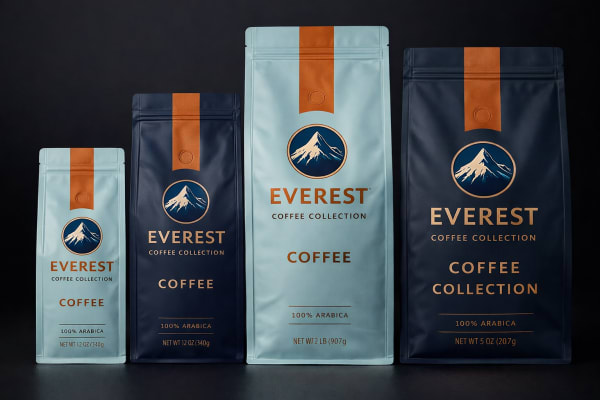
These trends position the Everest Coffee Collection as a natural entry point for collectors who will graduate to art purchases as their wealth compounds.
Hook younger buyers with coffee. Convert them to art as their wealth increases. The $30 subscription creates a relationship that compounds over a lifetime of collecting.
Why This Model, Why Now
The Timing Advantage
The gallery visit is no longer required. 51.5% of Instagram users have purchased art from artists they discovered on the platform. Planet 5's digital-first model meets collectors where they already shop.
This is not a 20-year horizon. Millennials and Gen X are inheriting substantial assets while still in their prime collecting years (35-55). Capture them now through coffee; convert them as wealth compounds.
Preservation is not a marketing angle; it's a purchase requirement for this demographic. They're not buying to feel guilty. They're buying to feel aligned.
The Great Wealth Transfer
$124 Trillion in Motion
Cause-Conscious Purchasing
Values Drive Decisions
Planet 5's preservation model is not a nice-to-have for younger buyers; it's a purchase requirement. The "alignment over obligation" framing is exactly right. Younger collectors aren't buying to feel guilty; they're buying to feel aligned. The preservation story converts because it matches their values, not because it triggers guilt.